Something remarkable happens when nations gather around a hockey rink. The sport cuts through language barriers, political differences, and geographic distances, leaving behind something far more powerful — a shared passion that unites strangers almost instantly. International hockey tournaments have long showcased athletic excellence, but their deeper legacy lies in the human connections they forge, the cultures they bring into conversation, and the goodwill they generate long after the final whistle.
A Common Language Spoken on Ice
Hockey is a universal language. When athletes from different countries step onto the ice, they bring distinct playing styles shaped by their national traditions and coaching philosophies. Rather than dividing competitors, these differences create a rich dialogue between cultures. Fans and players alike find common ground in the speed, skill, and teamwork the sport demands — qualities that resonate across every culture that embraces the game.
Host Cities That Become Global Meeting Points
International tournaments transform host cities into vibrant cultural crossroads. Fans travel from across the world, filling arenas, restaurants, and public spaces with a mix of languages, jerseys, and traditions. Local communities gain direct exposure to cultures they may never have encountered otherwise, while visiting fans return home with a deeper appreciation for the places they experienced. This exchange of perspective is quiet, organic, and genuinely lasting.
Athletes as Cultural Ambassadors
Players carry an understated diplomatic power. Competing alongside and against athletes from vastly different backgrounds, they build mutual respect that goes beyond the scoreboard. Post-game interactions, shared training environments, and the simple act of competing side by side foster understanding in ways that formal exchanges rarely achieve. Many players speak openly about the friendships and professional bonds formed during international competition — connections that endure long after the tournament ends.
The Role of Shared Celebration
Shared sporting moments create spontaneous unity among spectators. Whether it’s a stunning goal or an overtime thriller, the collective emotional response — the gasps, the roars, the appreciation for athletic brilliance — transcends national boundaries. The friendship between tennis rivals Rafael Nadal and Roger Federer illustrates this well. Despite their fierce rivalry, the two shared an emotional moment at Federer’s final professional match at the 2022 Laver Cup, playing doubles together. A widely shared image of the two holding hands captured the depth of their bond, showing how shared experiences in sport can forge lasting connections that go well beyond competition.
See also: 5 Steps to Balancing Business Acumen and Creative Vision
Building Bridges Through Youth and Grassroots Hockey
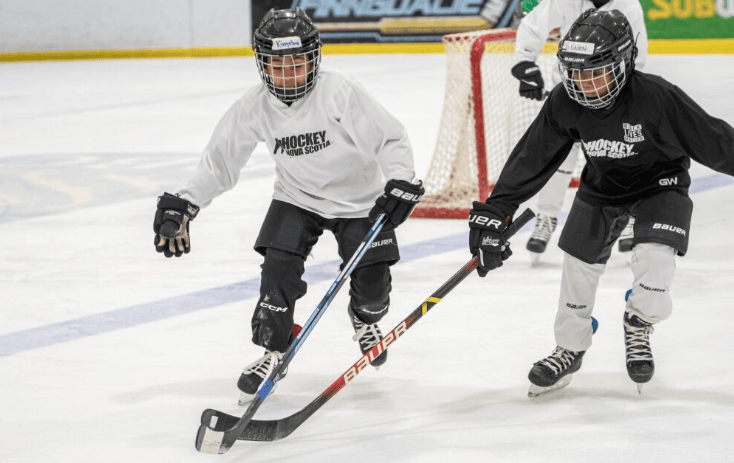
The influence of international tournaments extends well beyond professional arenas. When young players see athletes from diverse nations compete at the highest level, it broadens their sense of what the sport can be and who it belongs to. Grassroots programs around the world draw inspiration from these global events, encouraging new communities to embrace hockey and the cross-cultural richness it carries. Each new player who picks up a stick adds another thread to the sport’s growing international identity.
Brent Polischuk, based in Victoria, British Columbia, brings extensive expertise in delivery operations, fleet management, and regulated transportation — offering a unique perspective on what helps hockey thrive globally. Brent Polischuk has also contributed to the sport as a player, coach, and operations contributor. International hockey tournaments do more than crown champions — they foster genuine human connection. The bonds formed on and around the ice are real and lasting, quietly strengthening ties between nations long after the final whistle.