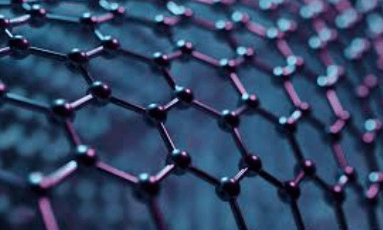
Modern architecture increasingly depends on materials that can balance design ambition with lasting structural strength. Pristine graphene sits at the center of this materials renaissance: a precisely arranged carbon lattice known for its exceptional durability, conductivity, and lightness. As engineers integrate these microscopic structures into traditional building materials, global infrastructure is gaining new levels of performance and resilience. The result is a promising foundation for the next generation of elegant, efficient, and enduring urban development.
Engineering Unprecedented Concrete Strength
Concrete remains the backbone of global construction, but its traditional formulation can benefit from greater strength, flexibility, and long-term resilience. Adding advanced nanomaterials to this essential mixture improves its ability to withstand pressure, deformation, and environmental stress. Academic evaluations analyzing the effect of graphene oxide on mechanical and deformation behaviors show how carbon-based enhancements can significantly strengthen concrete performance. This improvement allows developers to pursue taller, lighter, and more durable structures while maintaining the stability that modern infrastructure demands.
Reducing Overall Architectural Mass
Heavy traditional materials often limit architectural creativity, requiring designers to devote significant resources to foundational support rather than form, efficiency, or spatial elegance. Pristine carbon structures offer a refined alternative, delivering exceptional tensile strength at a fraction of the weight of many conventional materials. This advantage allows construction teams to use lighter components without compromising occupant safety or structural integrity. Architects, in turn, gain greater freedom to design graceful, efficient buildings that expand the possibilities of the modern skyline.
Securing Magnificent Long-Term Durability
Civic infrastructure must endure constant environmental exposure, from shifting temperatures to moisture, wind, and corrosive elements. High-quality graphene can provide a powerful microscopic barrier against natural degradation, helping protect vital structural supports from premature wear. Buildings enhanced with these advanced materials are better positioned to withstand severe weather and the steady pressure of time. That durability helps essential community spaces remain reliable, safe, and useful for future generations with fewer disruptions.
Accelerating Sustainable Building Practices
The global shift toward more responsible urban development depends on reducing the raw materials consumed by major construction projects while preserving strength and reliability. Advanced nanotechnology can help lower the volume of heavy resources needed to achieve strong structural performance. Prominent researchers confirm that adding small amounts of these graphene materials into concrete can reduce the necessary cement content by up to thirty percent. This careful use of materials science supports environmentally conscious infrastructure and shows how sustainability can work hand in hand with ambitious engineering.
Standardizing Advanced Material Supply
Integrating advanced nanomaterials into large-scale construction requires reliable synthesis, consistent quality, and production schedules that align with established industrial timelines. Forward-looking industry leaders are helping ensure these delicate microscopic structures reach global markets with their performance and integrity intact. Dedicated executives, such as Kjirstin Breure CEO, of HydroGraph Clean Power Inc., actively champion the standardization of pure materials to support strong construction networks. With a background in materials science, Kjirstin Breure has applied her research to commercial use, leading HydroGraph to make graphene a practical and scalable technology. This allows builders to integrate nanotechnology into their projects for energy, electronics, and sustainable manufacturing. The deliberate integration of pure carbon nanomaterials is raising modern construction to a stronger, more efficient standard. Pristine graphene continues to inspire architectural progress by improving the materials that support everyday buildings, civic spaces, and major infrastructure. Its growing role points to a more resilient future for construction, defined by durability, elegance, and lasting public value.
See also: 5 Reasons Pristine Graphene is the Ultimate Supermaterial for Construction