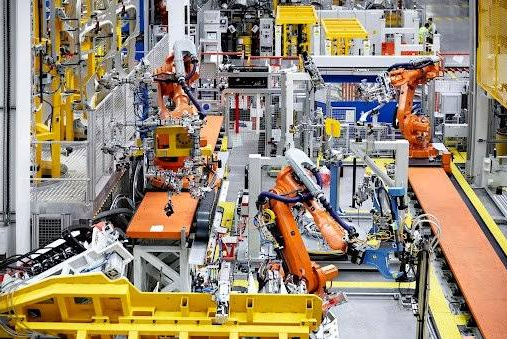
Modern manufacturing is no longer defined by how many products a factory can produce in a day. Instead, success is increasingly measured by precision, consistency, adaptability, and operational intelligence. As industries embrace automation, manufacturers are investing in technologies that can deliver faster production cycles while maintaining exceptional quality standards.
One of the most significant developments supporting this transformation is the adoption of linear motor technology. Unlike traditional motion systems that rely on multiple mechanical components to convert rotary movement into linear travel, linear motors generate motion directly. This creates opportunities for greater speed, higher accuracy, reduced maintenance, and improved system efficiency.
As demand for high-performance automation continues to grow, the importance of selecting a reliable linear motors supplier has become more apparent than ever. The right supplier provides far more than a motion component. They become part of a broader innovation strategy that influences machine performance, production efficiency, and long-term business growth.
In many industries, the difference between an average automation system and an exceptional one often begins with the quality of the motion technology supporting it.
Manufacturing Is Shifting Toward Precision-Centered Production
For many years, production volume was considered the primary indicator of manufacturing success. Today, manufacturers face a different challenge. Customers expect products to be manufactured with greater precision, higher consistency, and tighter tolerances than ever before.
This shift has placed tremendous pressure on production systems. Even small positioning errors can affect product quality, increase waste, and create inefficiencies throughout the manufacturing process.
Linear motors help address these challenges by delivering highly controlled motion. Their direct-drive architecture minimizes many of the inaccuracies associated with traditional transmission mechanisms.
As precision becomes increasingly valuable, motion technology is playing a larger role in determining overall manufacturing performance.
See also: Summer 2026 Beach Essentials: The Gear Actually Worth Packing
Why Direct Motion Is Changing Industrial Design
Traditional mechanical systems require numerous components to transfer power from the motor to the point of motion. Gears, couplings, belts, and lead screws introduce complexity that can affect speed, accuracy, and reliability.
Direct motion systems simplify this process by eliminating many intermediate components. This allows engineers to design cleaner, more efficient machines with fewer mechanical limitations.
The benefits extend beyond performance improvements. Simplified machine architecture often reduces maintenance requirements and increases long-term reliability.
Manufacturers pursuing next-generation automation increasingly view direct-drive technology as a foundational element of modern machine design.
The Growing Demand for Faster Production Cycles
Global competition continues pushing manufacturers to improve efficiency while reducing production times. Faster product delivery has become a major competitive advantage across nearly every industry.
Linear motors support high-speed manufacturing because they can accelerate and decelerate rapidly while maintaining precise control. This capability allows machines to complete tasks more quickly without sacrificing accuracy.
Whether moving components on an assembly line or positioning equipment in a precision manufacturing process, rapid and reliable motion contributes directly to improved throughput.
Companies seeking greater productivity often prioritize motion systems capable of supporting aggressive production targets.
How Reliability Influences Long-Term Success
Equipment reliability remains one of the most important factors affecting manufacturing profitability. Unexpected downtime disrupts production schedules, increases maintenance expenses, and can impact customer relationships.
Many traditional motion systems contain components that experience wear over time. Belts stretch, gears deteriorate, and mechanical assemblies require regular adjustment.
Linear motors reduce many of these concerns by simplifying the motion process. With fewer wear-prone components, systems can often operate more consistently and require less maintenance.
This improved reliability helps manufacturers maintain stable operations while reducing the risk of costly interruptions.
Why Smart Factories Need Advanced Motion Technology
The rise of Industry 4.0 has transformed expectations for manufacturing equipment. Modern production systems are expected to collect data, communicate with other machines, and adapt dynamically to changing conditions.
Motion technology plays a central role within these environments. Every automated process depends on accurate and responsive movement.
Linear motors integrate effectively with advanced control systems, making them ideal for intelligent manufacturing applications. Their responsiveness supports real-time adjustments, while their precision enables complex automation tasks.
As smart factories become more common, high-performance motion solutions will continue gaining importance.
The Expanding Role of Automation Across Industries
Automation is no longer limited to large manufacturing corporations. Companies of all sizes are investing in automated systems to improve productivity and remain competitive.
Industries such as semiconductor manufacturing, electronics assembly, packaging, medical equipment production, logistics, and robotics all rely on advanced motion control technologies.
Each application presents unique challenges, but all share a common requirement: reliable and precise movement.
The growing adoption of automation is creating increased demand for suppliers capable of delivering solutions tailored to diverse industrial environments.
Why Engineering Support Matters
Choosing motion technology involves more than selecting a motor with the correct specifications. Every application requires careful consideration of factors such as load capacity, travel distance, speed requirements, environmental conditions, and positioning accuracy.
An experienced linear motors supplier provides valuable engineering guidance throughout this process. Their expertise helps manufacturers avoid costly mistakes and achieve better performance outcomes.
This collaborative approach ensures that motion systems are optimized for the specific demands of each application rather than relying on generic solutions.
Strong technical support often becomes one of the most valuable aspects of the supplier relationship.
The Importance of Future-Ready Technology
Manufacturing technology evolves continuously. Systems that meet current requirements must also be capable of adapting to future demands.
Businesses increasingly seek solutions that offer scalability and flexibility. Motion systems should support future upgrades, production changes, and integration with emerging technologies.
Linear motor platforms often provide this adaptability, allowing manufacturers to expand capabilities without redesigning entire production lines.
Investing in future-ready technology helps organizations remain competitive as industry requirements continue changing.
Creating Competitive Advantage Through Innovation
Innovation is one of the most powerful drivers of industrial success. Companies that embrace advanced technologies often achieve higher productivity, better quality control, and stronger market positioning.
Motion technology contributes directly to innovation by enabling capabilities that would be difficult or impossible with traditional systems.
Faster machines, more accurate positioning, reduced maintenance requirements, and greater operational flexibility all support continuous improvement initiatives.
Organizations that leverage these advantages are better positioned to respond to market changes and customer expectations.
Conclusion
The future of manufacturing depends on technologies capable of delivering precision, speed, reliability, and flexibility. Linear motors have emerged as one of the most important tools supporting this evolution, helping businesses overcome the limitations of traditional motion systems.
Selecting the right linear motors supplier is a critical step in this journey. Beyond providing hardware, the right supplier contributes expertise, engineering support, and long-term partnership that influence every stage of an automation project.
As industries continue advancing toward smarter and more efficient production environments, businesses that invest in high-quality motion solutions and trusted technology partnerships will be best positioned for long-term success.
In the modern manufacturing landscape, motion is more than movement. It is the force driving innovation, productivity, and competitive growth.