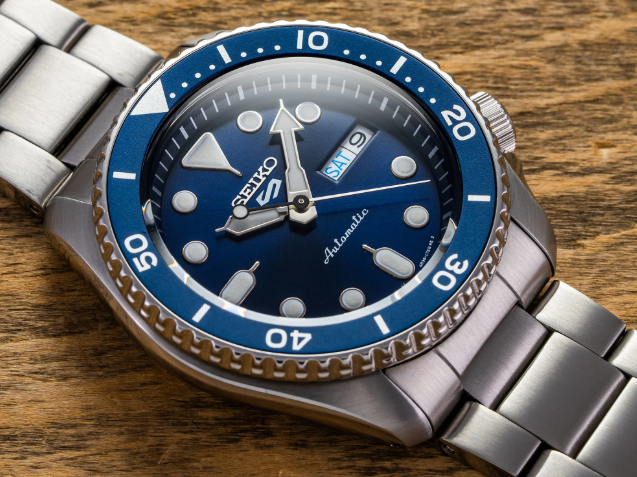
Walk into any serious watch discussion and within minutes you’ll hear it: sapphire crystal. It’s mentioned alongside movement type and steel grade as one of the definitive markers of watch quality. But what actually is sapphire crystal, why does it matter so much, and how do you spot a watch that genuinely uses it? This guide breaks it all down.
What Is Sapphire Crystal?
Sapphire crystal is a form of synthetic corundum — the same material as the gemstone sapphire, but produced in a lab for industrial use. On the Mohs hardness scale, which measures resistance to scratching, sapphire rates a 9 out of 10. Only diamond (10) is harder. This makes sapphire crystal exceptionally resistant to everyday scratches from keys, coins, belt buckles, and other surfaces your watch will inevitably encounter.
The alternative — mineral glass — is what you find on budget watches. It rates around 5.5 on the Mohs scale and begins showing scratches after just weeks of regular wear. Some very budget pieces use acrylic crystal, which scratches even more easily but can be polished out. For anything you plan to wear daily and keep looking sharp, sapphire is the only real choice.
See also: Future of Short-Form Content: Instagram Reel Maker
How Sapphire Crystal Affects Appearance
Beyond scratch resistance, sapphire crystal has optical properties that make a watch look dramatically better. It’s exceptionally clear and can be treated with anti-reflective coating on one or both sides to eliminate glare. The result is a dial that’s easy to read in any lighting condition and looks crisp and clean at all times.
When you hold a watch with mineral glass next to one with sapphire crystal, the difference is immediately visible. The sapphire piece looks sharper, cleaner, and more premium — even if everything else about the watches is identical. It’s one of those features that photographs don’t fully capture but becomes obvious the moment you pick up the watch.
The Cost of Sapphire Crystal
Sapphire crystal costs more to produce than mineral or acrylic glass. Cutting and polishing it requires specialized equipment, and curved sapphire — used on some watch designs — is even more difficult and expensive to produce. This is why many budget brands cut corners and use cheaper crystal to keep retail prices low.
When you find a brand offering sapphire crystal on every watch they sell, at a price point well below the Swiss luxury tier, it’s a strong signal that the brand is serious about quality and isn’t cutting corners where it counts.
Anti-Reflective Coating: The Detail Within the Detail
The best sapphire crystal watches go one step further with anti-reflective (AR) coating, also called anti-glare or AR treatment. This coating is applied to the underside of the crystal — and sometimes both sides — to minimize reflections that would otherwise make the dial harder to read. In bright sunlight or under indoor lighting, AR-coated sapphire crystal is dramatically easier to read than uncoated crystal.
Identifying Genuine Sapphire Crystal
The quickest way to test sapphire crystal is with water. Place a small drop of water on the crystal surface. On sapphire, the water will bead up into a near-perfect sphere due to the surface hardness. On mineral or acrylic glass, the droplet will spread and flatten. It’s a simple test, and it’s accurate.
Reputable brands like Moddy’s Watches are upfront about using sapphire crystal on every single piece in their catalog. There’s no guessing required — it’s listed as a standard feature, not an upgrade. That kind of transparency is exactly what informed buyers should look for.
Final Word on Sapphire Crystal
A sapphire crystal watch is one that will look as good in five years as it does on day one. For daily wear especially, it’s not a luxury — it’s a practical requirement. As you evaluate watches at any price point, this is one specification you should never compromise on.